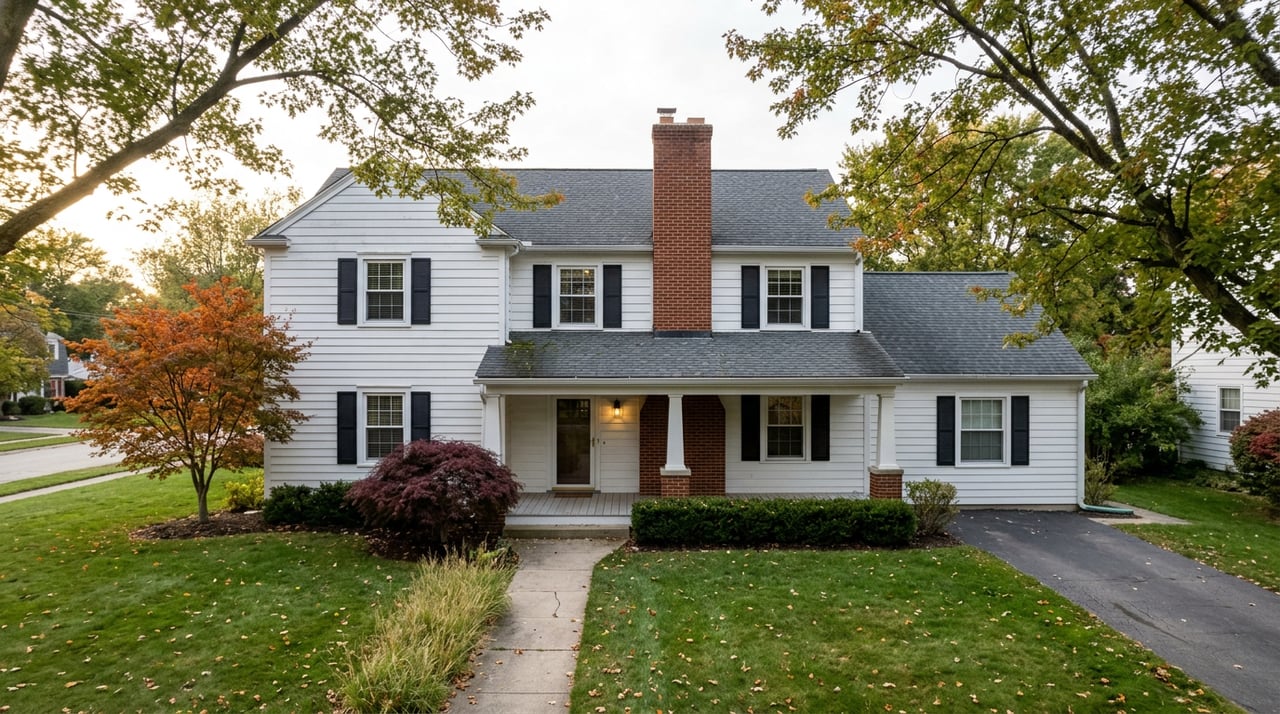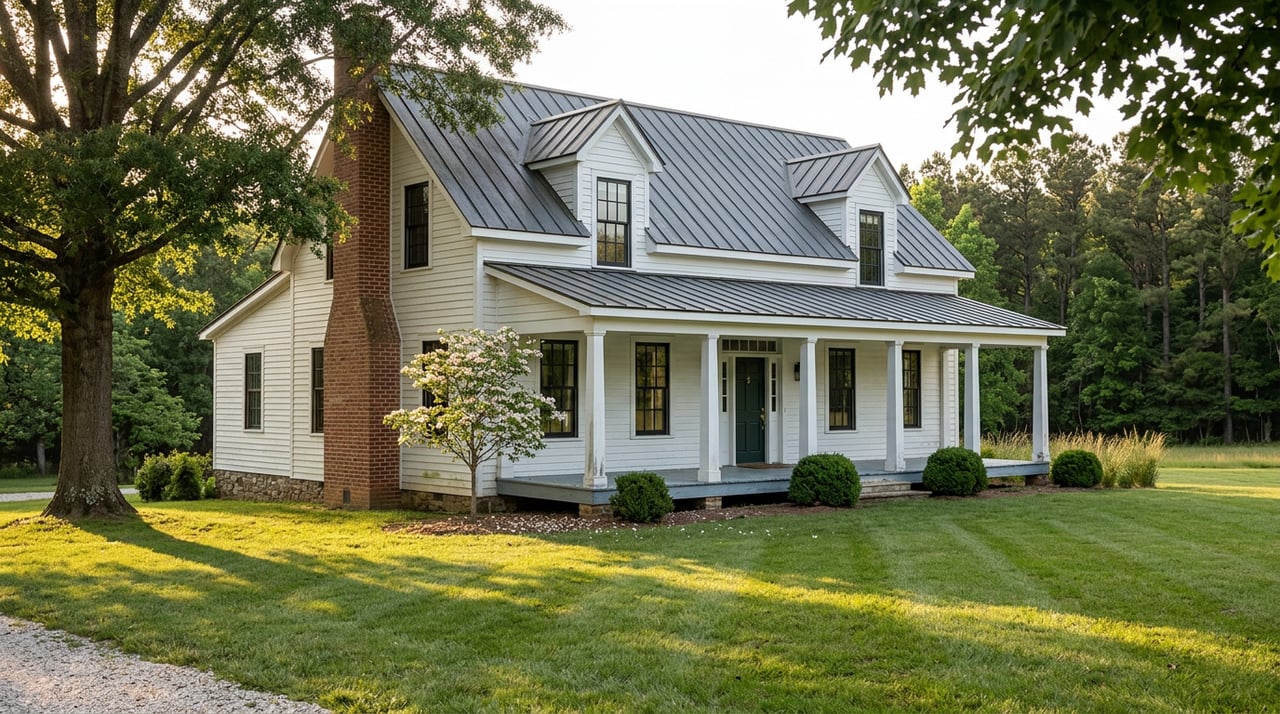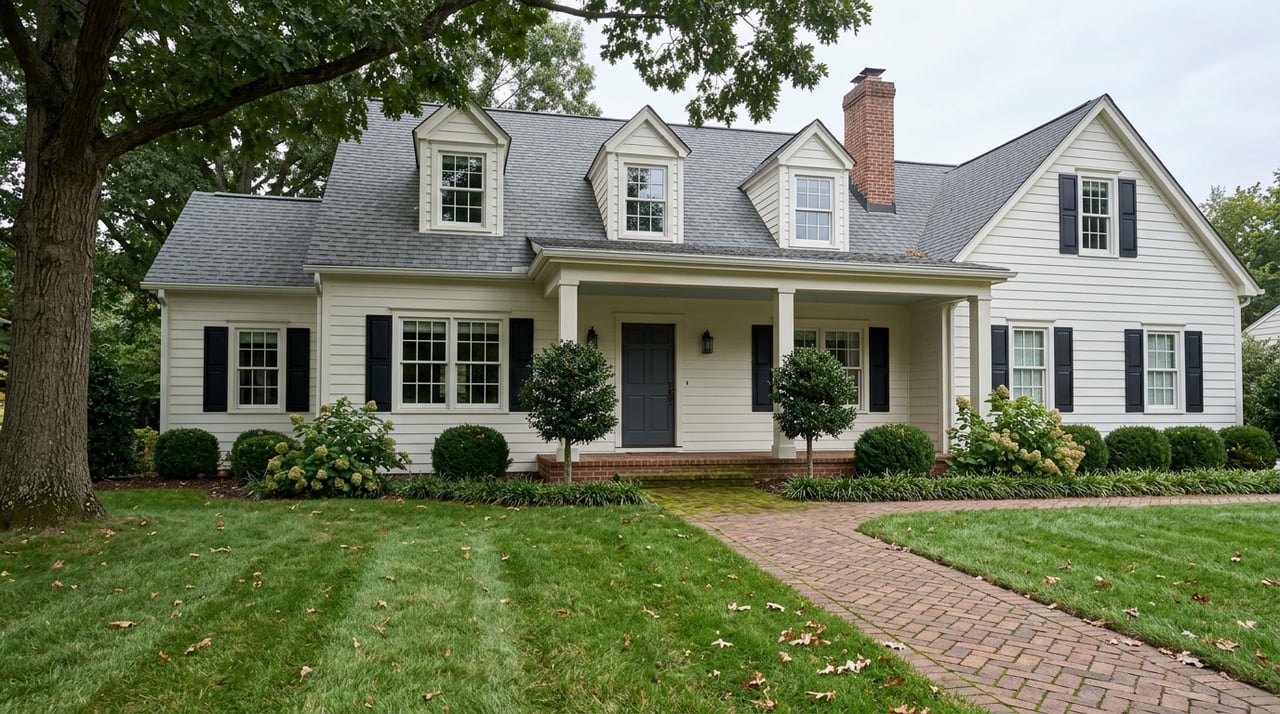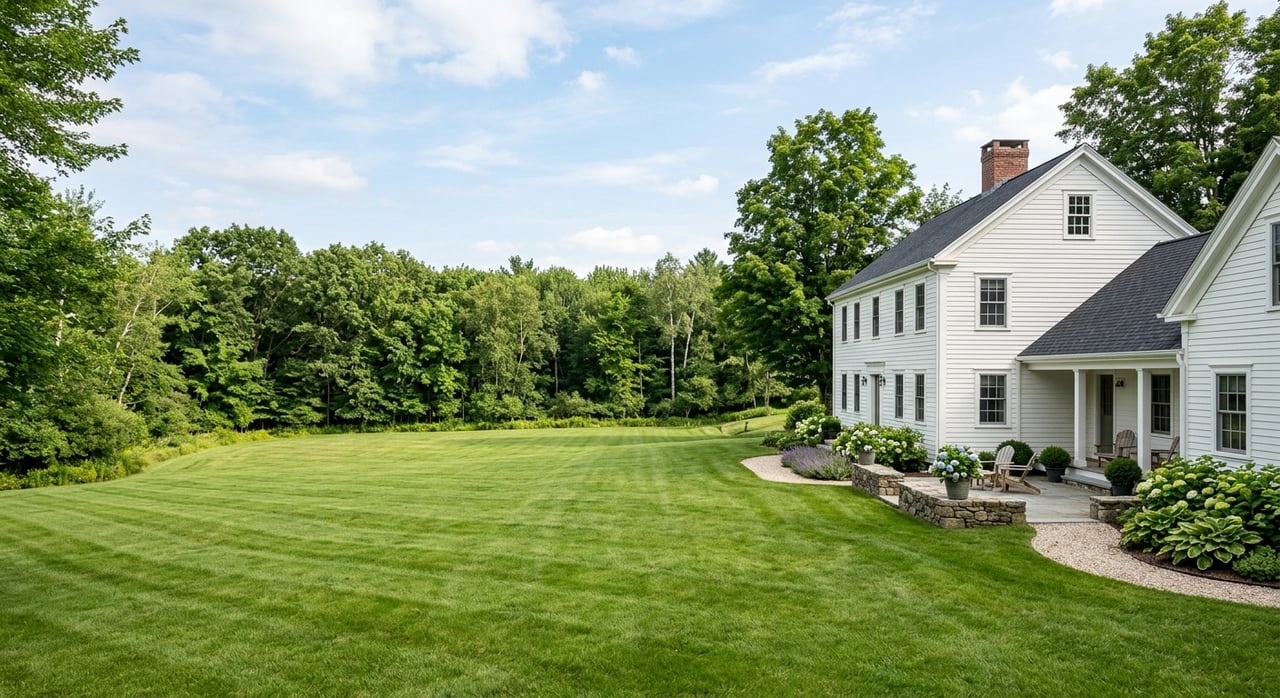
Dreaming about more space, more privacy, and room to spread out without feeling cut off from Richmond? Acreage living in Manakin-Sabot can offer exactly that, but it also comes with a different set of day-to-day realities than a typical subdivision home. If you are thinking about buying land or a home on a larger parcel in Goochland County, this guide will help you understand the trade-offs, questions to ask, and what life may really look like before you make a move. Let’s dive in.
Manakin-Sabot Setting
Manakin-Sabot is best understood as a rural-residential area within the Richmond metro, not far-off country living. Goochland County’s planning documents describe much of the county as Rural Enhancement Areas intended to remain low density and generally not planned for public or central utilities.
That planning framework shapes what many buyers are looking for here. You are often choosing Manakin-Sabot for privacy, open land, and a quieter rural feel while still staying within reach of Richmond-area jobs, shopping, and major travel corridors.
County planning documents also note that most of Goochland remains forested, open space, or agricultural in use. They also describe single-family detached homes as the primary dwelling type, which helps set expectations if you are searching for a traditional home on a larger homesite.
Typical Lot Sizes
One of the first questions buyers ask is how much land is common in this area. Goochland County zoning provides a useful baseline for what acreage living can look like.
In the Agricultural, Limited district, the minimum lot size is 2 acres. In the Residential, Rural district, the minimum lot size is 5 acres, and that district is intended for low-density residential use with significant open space, limited grading, and minimal visual impact.
In practical terms, this usually points you toward detached homes on larger parcels instead of compact subdivision-style lots. If your goal is elbow room, outdoor space, or room for additional features, those zoning patterns are a big part of why Manakin-Sabot stands out.
Home Styles And Uses
Acreage properties here are often as much about land use as they are about the house itself. Depending on the parcel’s zoning and county approvals, some rural properties may support uses that appeal to buyers who want a more flexible lifestyle.
In the R-R district, Goochland allows single-family homes, home occupations, chicken-keeping, and equestrian-related uses such as horse boarding and barns. The A-2 district also allows agricultural and equestrian-related uses.
That can make a big difference if you are hoping for gardens, hobby farming, outbuildings, or animal-related uses. At the same time, every property is different, so it is important to verify the exact zoning and approved uses for the parcel you are considering.
Utilities Matter More
Utilities are one of the biggest differences between acreage living and a home in a more built-up neighborhood. Goochland County provides public drinking water and wastewater service in certain areas, including the courthouse and eastern regions, but the county’s comprehensive plan also states that most of the county is not served by public water or sewer.
That means you should confirm utility service for each specific property instead of making assumptions based on the address alone. An acreage home may be connected to county utilities, or it may rely on a private well and onsite septic system.
This is not necessarily a drawback, but it does change your due diligence. Utility setup affects maintenance, future projects, and how you plan for ownership costs over time.
Well And Septic Basics
If a property uses a private well, the well owner is responsible for operation and maintenance. The Virginia Department of Health says it does not require a well inspection or water-quality test as part of a home transfer, which is why buyers often need to be especially proactive.
VDH also notes that new wells require a construction permit and bacteriological testing at installation. If you want to learn more about an existing well, records can be requested through the local health department.
For onsite septic systems, VDH recommends that buyers review permits, as-built drawings, and maintenance records before closing. VDH also recommends pumping conventional septic systems every three to five years, and it notes that adding bedrooms later can exceed a system’s design capacity.
If you are considering future renovations or additions, that last point matters a lot. A house that works for you today may need more investigation if your long-term plan includes expanding the home.
Permits And Site Work
Large lots can feel flexible, but they can also involve more permitting than buyers expect. In Goochland County, an erosion and stormwater permit is required for land disturbance of 10,000 square feet or more.
For single-family projects that disturb 5 acres or more, a full erosion and stormwater permit is required. The county also notes that site disturbance can include not just the home site, but also the driveway, walkway, hardscaping, well, septic drainfield, yard, and even landscaping or garden beds.
That matters if you are planning to add a barn, expand a driveway, install major outdoor improvements, or build on raw or lightly improved land. More space can mean more freedom, but it can also mean more planning on the front end.
Daily Life And Commute
Acreage living in Manakin-Sabot often works best for buyers who are comfortable with a car-based routine. VDOT places the area near I-64, Route 288, Route 250, and Manakin Road on the west side of the Richmond metro area.
If you are commuting into the wider Richmond region, those routes are a big part of the location’s appeal. Census QuickFacts reports a Goochland County mean travel time to work of 29.9 minutes, which gives you a useful countywide benchmark as you think about your own schedule.
The lifestyle fit is often about balance. You may gain space, privacy, and a more rural setting, while still keeping practical access to work, errands, and everyday destinations across the metro.
Services May Vary
Another thing to expect is that day-to-day services may not look the same as they do in a denser neighborhood. Goochland’s curbside recycling program is available in participating eastern subdivisions and other eastern areas, while residents outside those service areas may use county convenience centers for drop-off.
That may seem like a small detail, but it is a good example of how acreage living can be different in practice. Before you buy, it helps to ask simple lifestyle questions about services, maintenance, and routines, not just the home itself.
Who Acreage Living Fits Best
Manakin-Sabot acreage living tends to fit buyers who value privacy, outdoor space, and a lower-density setting. It can be especially appealing if you want room for projects, detached structures, gardening, or certain rural lifestyle uses that may not fit easily on a standard subdivision lot.
It may be less ideal if you want highly uniform services, minimal exterior upkeep, or a more compact neighborhood setup. Larger parcels often come with more maintenance, more systems to understand, and more parcel-specific questions during the buying process.
That does not make acreage living better or worse. It simply means the right fit depends on how you want to live day to day and how comfortable you are with the upkeep and due diligence that come with more land.
Smart Questions To Ask
If you are serious about buying acreage in Manakin-Sabot, here are a few practical questions to ask early:
- What is the parcel’s zoning district?
- Is the home served by county water and sewer, or by private well and septic?
- Are there permits, records, and maintenance history available for the well or septic system?
- Will your planned use, such as outbuildings, animals, or additions, fit current zoning and approvals?
- Could future land disturbance trigger erosion or stormwater permitting?
- What day-to-day services are available at the property?
These questions can save you time and help you avoid surprises. They also give you a clearer picture of whether a property truly matches your goals.
If you are comparing acreage homes, it helps to have someone who can look beyond square footage and price. A property’s value can be tied just as much to its utility setup, zoning, site conditions, and renovation potential as to the house itself.
That is where practical guidance matters. If you want help evaluating acreage opportunities in Goochland and the greater Richmond area, Chris Rouse can help you think through the details and schedule a free home strategy call.
FAQs
What lot sizes are common for acreage living in Manakin-Sabot?
- Goochland County zoning sets useful public benchmarks, including 2-acre minimum lots in A-2 and 5-acre minimum lots in R-R.
Will a Manakin-Sabot acreage home usually have well and septic?
- Many rural parcels in Goochland rely on private well and onsite septic, but some eastern utility service areas exist, so each property should be verified individually.
Can you keep animals on an acreage property in Manakin-Sabot?
- Some rural zoning districts allow uses such as chicken-keeping and equestrian-related uses, but allowed uses depend on the parcel’s zoning and county approvals.
How long is the commute from Manakin-Sabot to the Richmond area?
- Commutes are typically car-based, with access tied to I-64, Route 288, Route 250, and Manakin Road, and Goochland County’s mean travel time to work is 29.9 minutes.
What should you check before buying a Goochland acreage property with septic?
- Review septic permits, as-built drawings, and maintenance records, and keep in mind that future additions such as extra bedrooms may affect system capacity.
Do larger parcels in Manakin-Sabot require more permits for improvements?
- They can, especially when land disturbance reaches county thresholds, including 10,000 square feet or more for erosion and stormwater permitting in certain cases.