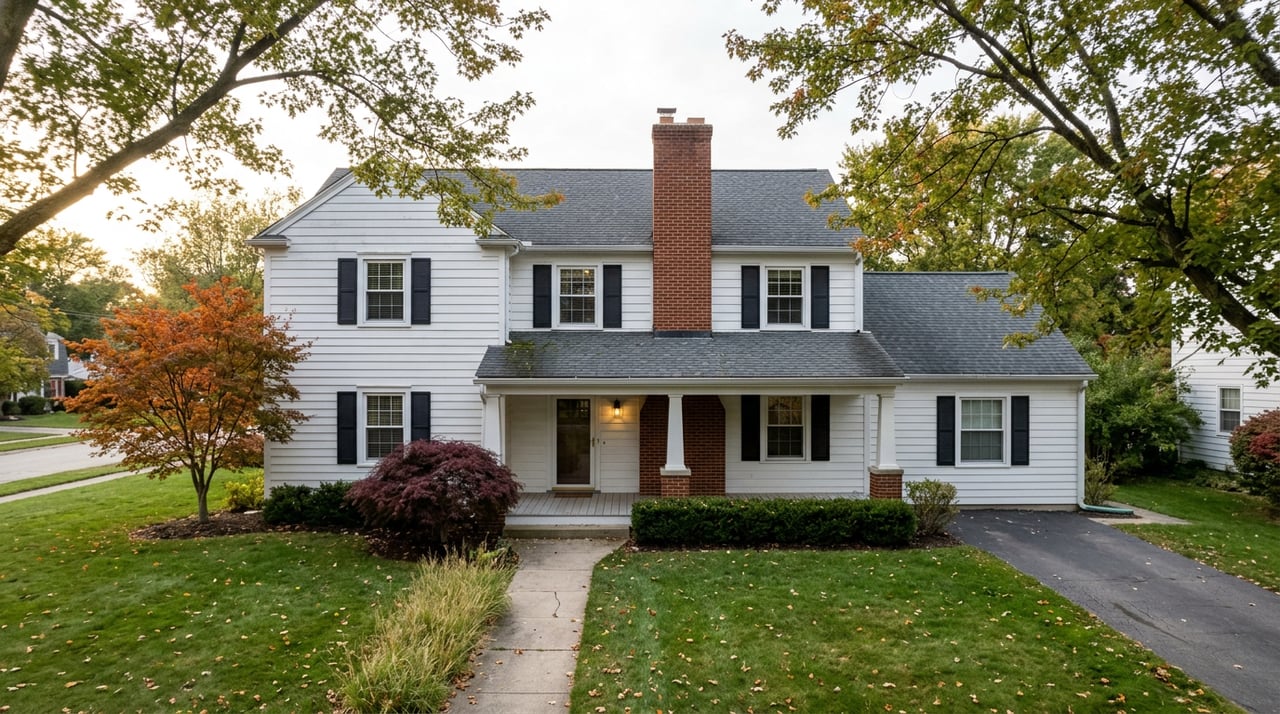
A farmhouse west of Short Pump has just changed hands three times in eighty years, gaining a bedroom each time. The tank gets pumped on schedule. The drainfield is dry and green, no soggy patches, no odor. A licensed inspector walks the property and finds nothing wrong with the system itself.
The closing still slips three weeks.
Not because anything failed. Because the number of bedrooms on the listing does not match the number the septic system was permitted to serve, and that mismatch surfaces in the one place nobody thinks to check until it is too late: the MLS record.
This is the quiet reality of buying or selling in Manakin-Sabot right now. Almost every property out here runs on a private well and septic system rather than public utilities, which means the transaction includes a layer of scrutiny that a Short Pump townhouse or a Midlothian colonial on county sewer never sees. Buyers and sellers who treat that layer as a formality are the ones who lose weeks at the closing table.
What Changed on July 1, 2025
Virginia's septic inspection rules changed in a way that most sellers, and more than a few agents, have not fully absorbed. As of July 1, 2025, only individuals holding a valid onsite sewage system operator, installer, or soil evaluator license may perform a septic inspection connected to a real estate transaction under the Code of Virginia. The inspector must now give the client a written, signed contract before starting, spelling out the scope of work and confirming that a complete inspection requires pumping the tank.
The inspection itself has a defined floor. Inspectors must examine every readily accessible component: tanks, pump tanks, distribution devices, treatment units, control panels, and the dispersal field. They have 10 business days to deliver a written report. That report describes conditions. It does not issue a pass or fail.
That last detail matters more than it sounds like it should. A pass/fail system gives both sides a clean signal. A conditions report puts the interpretation, and the negotiation, back on the buyer, seller, and their agents. On a system that is functioning but aging, that ambiguity is exactly where deals stall.
The Contract Language Hasn't Caught Up
Here is where the friction actually starts. The standard Virginia REALTORS purchase contract still calls for something simpler: paragraph 17(b) requires the seller to provide a certificate, dated within 30 days of settlement, stating there is no evidence of malfunction or needed maintenance. For years, many sellers satisfied that with a quick walkover inspection, someone looking for surface effluent and calling it done.
Under the new statutory minimums, fewer licensed inspectors are willing to sign that kind of certificate without doing the full inspection the law now describes, tank pump-out included. Sellers who budget two hours and a few hundred dollars for a walkover are instead booking a multi-hour process with a 10-business-day reporting window. On a property with multiple tanks or an engineered treatment unit, which is common on Manakin-Sabot's larger parcels, that timeline stretches further. The gap between what the contract form assumes and what the law now requires is the single most common source of delay on these transactions.
Why Renovated Farmhouses Carry the Most Risk
Manakin-Sabot's housing stock runs from period farmhouses with roots in the 1700s through mid-century subdivisions like Manakin Farms, built mostly in the 1950s and 60s, up to fully custom estates built in the last few years. That range is part of the area's appeal. It is also where the bedroom-count problem concentrates.
Goochland County says every septic system in the county is designed to meet or exceed a specific number of bedrooms, based on the permit on file. When a homeowner finishes an attic, converts a den, or adds a wing, Goochland County says the homeowner must hire an Alternative Onsite Soil Evaluator to update that permit; without that, the house grows on paper faster than the septic system's rated capacity does. Nobody notices until the property hits the local MLS, where Section 5.34 of the CVR MLS Rules and Regulations specifically addresses septic systems and bedroom count, flagging exactly this kind of discrepancy during listing input or a buyer's due diligence review.
An older farmhouse that has been lovingly expanded over three or four decades is a wonderful thing to own. It is also the property type most likely to carry a permit that describes a smaller house than the one currently standing.
What the Inspection Stack Actually Costs
Well and septic inspections are typically sold as one visit, but the price depends heavily on what gets added.
| Service | Typical Cost | What Drives the Range |
|---|---|---|
| Well inspection alone | $250 to $550 | Well depth, pump type, accessibility |
| Well inspection with water testing | $350 to $800 | How many contaminants are tested |
| Combined well and septic inspection | $400 to $900 | Tank count, treatment units, property size |
| Additional services for larger parcels | Varies | Structural opinion on outbuildings, pest and wood-destroying-organism report |
A buyer comparing a Short Pump condo to a Manakin-Sabot horse property is not comparing like costs. The farmhouse or estate typically needs the full stack: general home inspector, well and water test, septic inspection with the tank pumped and drainfield evaluated, a structural look at any older outbuildings, and a pest report. That stack costs more up front than a subdivision inspection, and it is worth every dollar, because it is usually the only way to catch a bedroom-permit mismatch before it becomes a renegotiation three weeks before closing.
The Five-Year Clock Sellers Forget
Goochland County sits inside the Chesapeake Bay Watershed, and under the Chesapeake Bay Watershed Act, every septic system in that footprint must be pumped on a five-year cycle. It is a routine requirement, easy to let lapse quietly if a homeowner has lived in a house for a decade without thinking about it.
A lapsed pump-out does not violate the new inspection law by itself. But it is exactly the kind of detail a buyer's inspector notes in a conditions report, and exactly the kind of thing that is far cheaper to handle before a house goes on the market than during a due diligence period with a clock running. Sellers who confirm their pump-out timing before listing, and who can hand a buyer a clean permit and current bedroom count, are the ones whose Manakin-Sabot closings move on schedule.
What This Means Walking Into a Transaction
If you are buying: build the full inspection stack into your timeline from day one, not just the standard home inspection window. Ask for the septic permit and confirm the bedroom count on it matches what you are actually buying.
If you are selling, especially a farmhouse that has grown over the years: pull the septic and well permits from the Goochland County Health Department before you list. If the house has more bedrooms than the permit describes, that is a conversation to have with an Alternative Onsite Soil Evaluator now, not a surprise for a buyer's inspector to hand you during a contingency window.
This is precisely the kind of pre-listing groundwork that pays off long before a buyer ever walks through the door. Chris Rouse built his practice on renovation fluency and a contractor network that includes the kind of specialists a Goochland horse property actually needs, from AOSE evaluators to septic contractors who know this part of the county. If you are weighing a sale or a purchase in Manakin-Sabot's horse country, schedule a free home strategy call and walk through your specific property before it ever hits a due diligence deadline.
A Few Questions Worth Asking Directly
Who is legally allowed to perform the inspection now? Only someone holding a valid onsite sewage system operator, installer, or onsite soil evaluator license under Virginia law.
Is every home in Manakin-Sabot on well and septic? The overwhelming majority are, given the area's rural zoning and large-lot character. A few properties closer to established subdivisions may already sit on public utilities, so it is worth confirming lot by lot rather than assuming either way.
This article is general information, not legal, tax or financial advice. Consult a qualified professional about your situation.