Ask a Bon Air seller whether the sewer line has ever backed up. If they say no and it has, that is not silence; if you never ask, and they never mention it, that is. That single distinction, between a lie and a silence, is the entire legal architecture a buyer is working inside the moment they write an offer in Virginia.
Virginia is one of a shrinking number of states that still runs on caveat emptor. Under the Virginia Residential Property Disclosure Act, sellers hand buyers a state form that mostly says the opposite of what buyers expect a disclosure form to say: on most physical conditions, a seller can check "owner makes no representation" and walk away clean. According to Nolo's Virginia seller disclosure guide, they cannot lie if you ask directly. They cannot paint over a water stain to hide a leak. But they are under no obligation to volunteer that the cast iron drain stack is failing or that the wiring behind the 1962 addition is aluminum. The burden of finding that out sits with the buyer, and one tool a buyer has for that job is the inspection period itself.
That rule matters everywhere in Virginia. It matters more in Bon Air, because Bon Air is not one housing stock. It is three, stacked on top of each other across a few square miles, and each one fails in a different, predictable way.
Three eras, one zip code
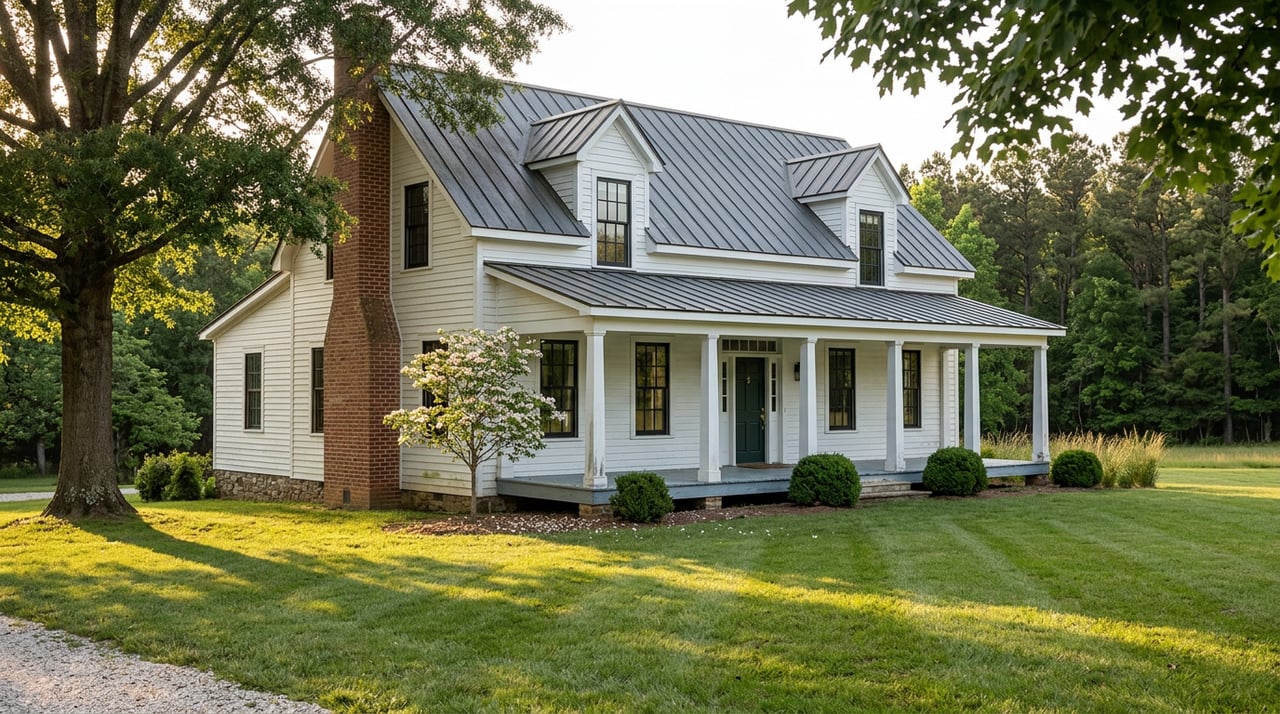
Bon Air started in 1877 as a resort village, laid out by the Bon Air Land and Improvement Company on a rail line that let sweltering Richmonders escape to the woods for a quarter a ride. The hotel that anchored it burned in 1889, and the village quietly became a bedroom community, but the houses its early residents built along Buford Road are still standing. The Bon Air Historic District's National Register listing names several of them directly, including the Robert Stiles House at 1650 Buford Road, built in 1883-84 for a Confederate memoirist, and the J.B. Moore House at 8614 Rockaway Road, built the same year for one of the development company's own directors.
That second house is worth sitting with, because its documented ownership history tells you exactly what these buildings cost to keep alive. A local investor bought it out of foreclosure in 2015 for about $220,000. Seven years and, by his own account, several hundred thousand dollars later, he listed the fully restored 4,000-square-foot Victorian at $899,000 in 2022, according to Richmond BizSense's reporting on the sale. That gap is not appreciation. It is what it costs to take a 140-year-old house down to its systems and rebuild it as something a buyer's inspector will pass without a fight.
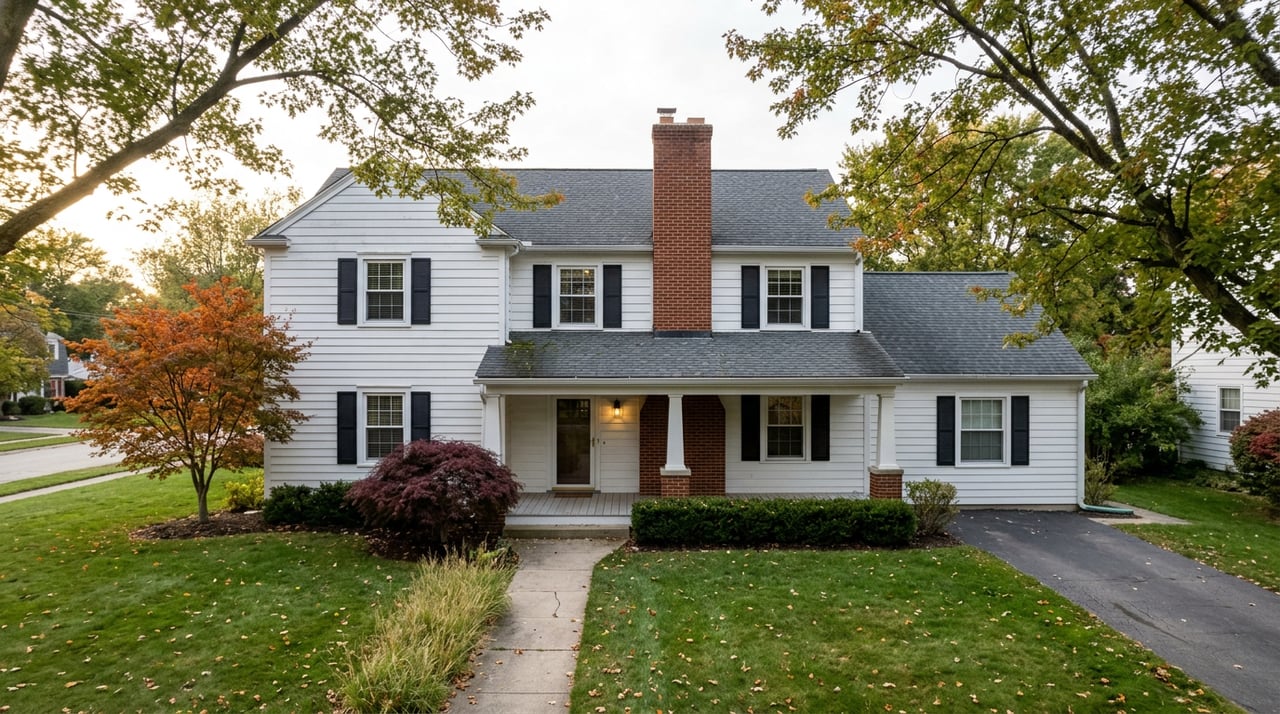
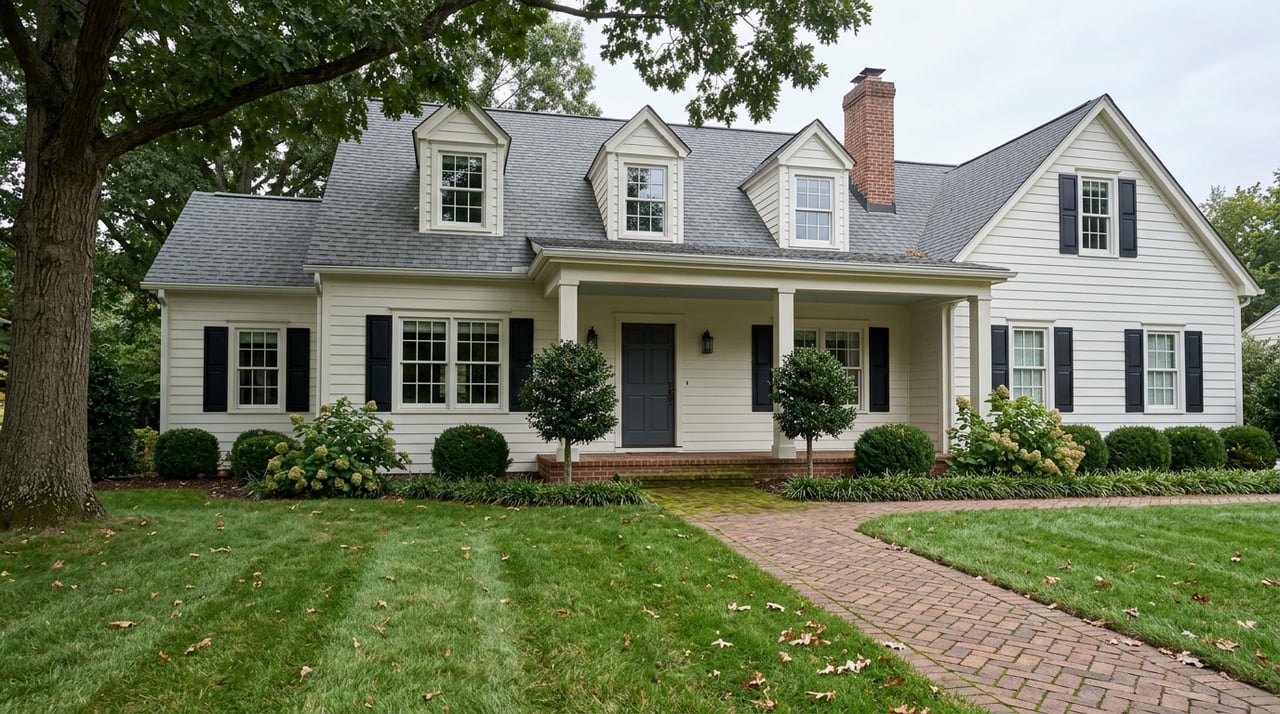
Ring the historic core and you hit the second era: a wide band of brick ranches, Cape Cods, and split-levels built between the 1940s and 1970s, the houses that turned Bon Air from a village into a suburb. Ring that and you hit the third era, newer infill and renovated flips sitting on the same streets as the originals, which is exactly what makes this market confusing for anyone judging a house by its curb appeal alone. A freshly painted exterior tells you nothing about which of the three eras is actually behind the drywall.
What each era hands the inspector
Local plumbers who work these streets every week describe the pattern plainly. Leak Finders VA, which services the neighborhood, points to pre-1970 homes in the historic district still running on original cast iron and galvanized steel, showing up as discolored water, dropping pressure, and sudden failures. M.A. Williams Drain Cleaning, which has served Bon Air since 2000, flags the same combination from the other direction: mature shade trees and the region's dense, shifting clay soil putting steady stress on sewer laterals, with root intrusion a routine call in neighborhoods with the largest, oldest trees, which in Bon Air means most of them.
Translate that into what a buyer sees on an inspection report:
The 1880s-1910s core. Original or first-generation replacement plumbing that has now outlived its 40 to 70 year service life. Cast iron drain stacks reaching the end of a 50 to 75 year window. Knob-and-tube remnants still live in some attics and wall cavities even where later work replaced most of the circuit.
The 1940s-1970s ring. Galvanized supply lines nearing or past failure. Original ductwork sized for a smaller electrical load than a modern kitchen or an EV charger demands. Cast iron again, on a slightly later clock, but the same underlying material.
The renovated and newer infill. Fewer surprises above the floor, but a buyer still needs to know whether "renovated" meant new systems or new paint over old pipe.
None of that shows up on the seller's disclosure form, because none of it has to. It shows up on the inspection report, the sewer scope, and the plumber's invoice, which is why a Richmond-area buyer's guide published this July recommends four add-on inspections beyond the standard home inspection for older housing stock: a radon test, running $125 to $175 with a 48-hour minimum, since Virginia's geology creates elevated radon potential and the EPA action level sits at 4.0 pCi/L; a wood-destroying insect inspection at $65 to $100, common in older Richmond housing; a chimney inspection at $150 to $250 for homes with masonry flues; and a sewer scope at $175 to $300, which is the only way to see what is actually happening in a clay or cast iron line before you own it. Together those four run approximately $500 to $800, against the alternative of discovering a sewer line replacement or a buried oil tank decommissioning after closing, when negotiating leverage is gone and the bill is yours alone.
Cost guides put a full repipe in the $5,000 to $15,000 range depending on the home's size and wall access, and an under-slab cast iron drain replacement, the kind you only find with a scope, in the $10,000 to $30,000 range. Those are not Bon Air-specific numbers, but they are the numbers a Bon Air buyer should have in their head before waiving anything.
Why the timing makes this sharper right now
Bon Air is not a slow market where a buyer can take two weeks to think it over. Homes here sold in an average of 7 days over the three months ending in May 2026, with the median sale price at $438,000, up 1.8 percent from the same period a year earlier. That is a fast enough pace that inspection periods get compressed, and a compressed inspection period is exactly the moment a buyer-beware state punishes anyone who skips the sewer scope to save a few days and a few hundred dollars.
What this means if you are selling
The same law that limits what you have to disclose does not limit what you are exposed to if you get it wrong. Virginia has a statute of limitations for fraud, and the line between staying silent and actively concealing something is thinner than most sellers assume. Painting over a water stain from a known leak is concealment. Answering a direct question about a past sewer backup with "no" when the answer is "yes" is concealment. If your Bon Air home sits in the older core, the more defensible position is usually the proactive one: get the sewer scoped, get the plumbing looked at, and either fix what you find or disclose it in writing before a buyer's inspector finds it for you and starts negotiating from a position of surprise.
None of this is a reason to avoid these houses. The Bon Air Historical Society still runs the Victorian Day Festival every May, and the century-old cottages along Buford Road are still the reason people fall for this neighborhood in the first place. It is a reason to walk in knowing exactly which era of the house you are buying, and to spend the few hundred dollars it costs to find out what the disclosure form was never going to tell you.
A few questions worth asking directly
Should Bon Air sellers consider radon testing? Richmond-area inspection guides still recommend it for any home with a basement or crawl space, since Virginia's geology creates real radon potential rather than a merely procedural one.
What's the actual legal line between staying silent and hiding a defect? Not volunteering information a buyer never asked about is generally permitted. Lying when asked directly, or taking active steps to hide evidence of a problem, is not. That line is where most post-closing disputes in Virginia start.
Should every older Bon Air home get a sewer scope, even if the toilets flush fine at the walkthrough? If the home was built before 1980 and sits under mature trees, which describes most of the historic core and much of the surrounding ring, yes. A working toilet during a showing tells you nothing about a pipe that is thirty feet underground and already cracked.
If you are weighing an offer on one of Bon Air's older homes, or getting ready to list one, the inspection strategy matters as much as the price strategy. Chris Rouse has spent years walking Richmond-area buyers and sellers through exactly this kind of decision, informed by hands-on renovation experience on homes just like these. Schedule a free home strategy call before you write the offer or sign the listing agreement, not after the inspection report lands.
This article is general information, not legal, tax or financial advice. Consult a qualified professional about your situation.